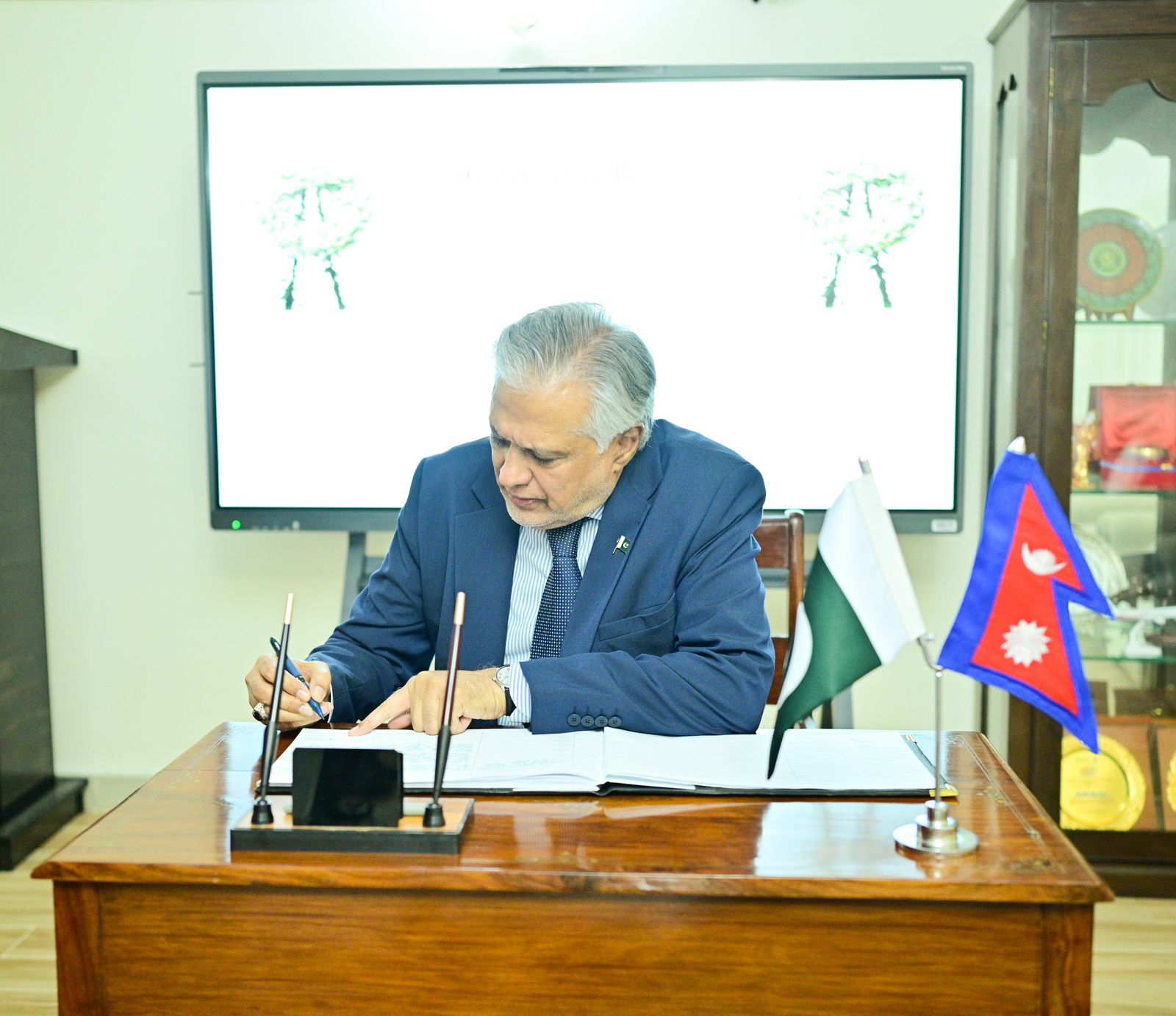
Pakistan welcomes the court order directing India to uphold Indus Waters Treaty
The latest decision of the Permanent Court of Arbitration represents a significant legal development in the ongoing dispute over the Indus Waters Treaty (IWT). The Court has unanimously reaffirmed that the Treaty remains fully in force and that India’s unilateral decision to place it in “abeyance” is not permissible under the Treaty or other applicable rules of international law.
The finding is particularly consequential because it addresses a fundamental question concerning the continuing legal status of the IWT. The Court has made clear that neither party can unilaterally suspend or terminate the Treaty outside the framework agreed by Pakistan and India. India therefore remains bound by its Treaty obligations, including those governing the design and operation of hydroelectric projects on the Western Rivers and the Treaty’s dispute-settlement mechanisms.
The Court has also ordered interim measures concerning the Ratle Hydroelectric Plant, restricting specified construction activity pending further consideration of the dispute. These measures are intended to preserve the effectiveness of the Treaty’s dispute-resolution process and prevent developments on the ground from prejudicing the proceedings.
The decision provides substantial legal validation of Pakistan’s longstanding position that the Indus Waters Treaty (IWT) is a binding international agreement whose obligations cannot be set aside through unilateral political declarations. The ruling reinforces the principle that Trans boundary water arrangements, particularly those affecting the lives and livelihoods of millions of people, must be governed by international law, established treaty mechanisms and peaceful dispute resolution.

 Search


 Print
Print